
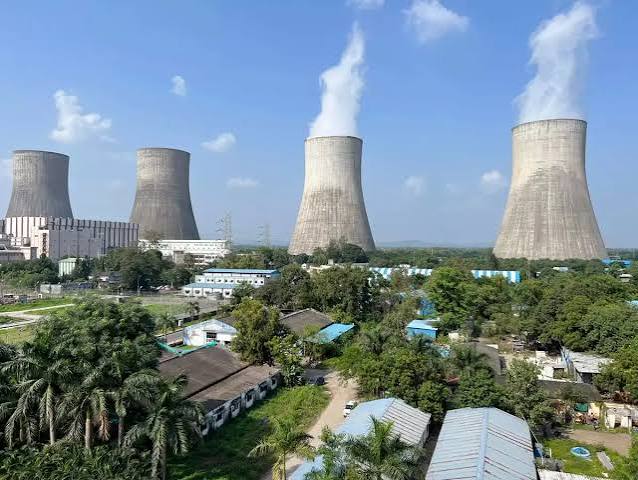
Nuclear energy is considered one of the most influential scientific innovations in the modern era, as it carries vast potential to support human development in fields such as energy, medicine, and industry. However, these benefits are accompanied by serious risks, particularly the possibility of military use or environmental and humanitarian disasters. Therefore, a complex framework of international law has emerged to regulate the use of nuclear energy and ensure that it is directed toward peaceful and safe purposes, forming the core of international nuclear law.
The international legal system governing nuclear energy is based on a combination of binding rules and guiding standards that have evolved through decades of international cooperation. This system is founded on the principle that states bear the primary responsibility for regulating nuclear energy within their territories. However, due to the transboundary nature of nuclear risks, the international community plays a complementary role in ensuring coordination and the harmonization of standards.
In this context, the International Atomic Energy Agency (IAEA) plays a central role as a global organization dedicated to promoting the peaceful use of nuclear energy and preventing its use for military purposes. The IAEA develops safety standards and supervises their implementation, particularly in projects receiving technical assistance.
The international regulatory framework encompasses several key areas, including nuclear safety, radiation protection, radioactive waste management, transportation of nuclear materials, and emergency response mechanisms. These areas are critical due to the severe harm that ionizing radiation can cause to human health and the environment, which necessitates the establishment of strict standards to protect public safety.
Regarding radiation protection, international standards rely on the work of scientific bodies such as the International Commission on Radiological Protection (ICRP) and the United Nations Scientific Committee on the Effects of Atomic Radiation (UNSCEAR). Their recommendations form the basis for global standards regulating radiation exposure, contributing to a unified level of protection across different countries.
In the field of nuclear safety, comprehensive standards have been developed to cover all stages of nuclear facility construction and operation, from site selection and design to operation and quality assurance. Additionally, international agreements obligate states to adopt legislative and administrative measures to ensure the safety of nuclear installations.
Radioactive waste management is another vital aspect, as such waste poses long-term risks to humans and the environment. The IAEA has established programs and standards to ensure its safe disposal and prevent its illegal cross-border transfer.
Furthermore, legal frameworks have been developed to address nuclear accidents, particularly following major incidents such as Chernobyl. These frameworks require early notification of accidents and mutual assistance among states during emergencies. They also establish compensation systems based on the principle of strict liability of nuclear operators, ensuring adequate financial coverage for damages.
In conclusion, international nuclear law represents an integrated system aimed at achieving a delicate balance between benefiting from the immense potential of nuclear energy and minimizing its risks. Despite significant progress in this legal framework, challenges remain, especially in light of technological advancements and the increasing use of nuclear energy. Therefore, strengthening international cooperation and continuously developing legal rules remain essential to ensuring a safe and sustainable future for nuclear energy that serves humanity without endangering it.