
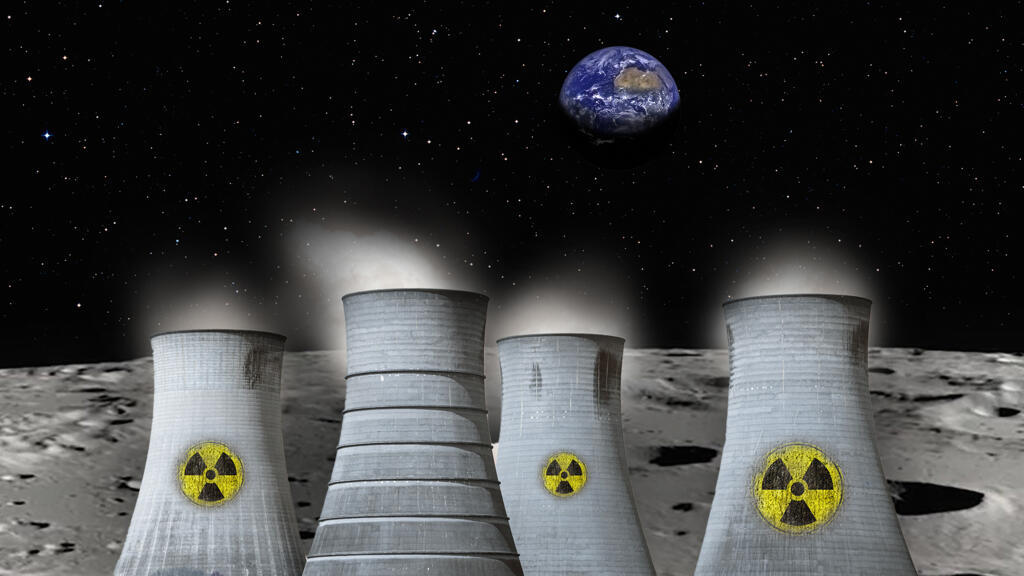
In recent years, space nuclear energy has experienced a significant resurgence after decades of relative stagnation following the Cold War. Historically, only a few countries, notably the United States and the Soviet Union, utilized nuclear power systems in space missions. However, emerging space powers such as China and India have now joined this field, incorporating nuclear technologies into their ambitious exploration programs. This renewed interest reflects the growing recognition of nuclear energy as a critical enabler for long-term space exploration, particularly in efforts to establish a sustained human presence on the Moon and to venture deeper into space.
Nuclear energy is considered one of the most effective power sources for space missions due to its ability to provide reliable and high-density energy compared to alternatives like solar and chemical power. While chemical energy is primarily used for rocket propulsion during launch, it is unsuitable for long-duration missions because of fuel limitations. Solar energy, although widely used in Earth’s orbit, becomes less efficient in deep space or in environments with limited sunlight, such as permanently shadowed lunar regions.
In contrast, space nuclear power systems offer a practical and efficient solution. They can supply continuous energy for spacecraft operations, heating, and propulsion, even under extreme environmental conditions. These systems include a range of technologies such as radioisotope power systems (RPS), nuclear fission reactors, and advanced propulsion methods. One of their key advantages is the ability to operate for extended periods without refueling, making them ideal for deep-space missions.
Despite these benefits, nuclear technologies in space also present significant challenges. Safety and security concerns remain central, particularly in the event of launch failures or orbital accidents. Historical incidents, such as the crash of a Soviet nuclear-powered satellite in Canada in 1978, highlight the potential risks and underscore the importance of robust regulatory frameworks. Furthermore, the increasing involvement of private companies in developing and deploying nuclear space technologies adds complexity to governance, as space activities are no longer limited to state actors.
Consequently, there is a growing need for comprehensive international governance mechanisms that address legal, environmental, and technical aspects of space nuclear energy. As more countries and commercial entities enter this domain, establishing clear and enforceable rules becomes essential to ensure responsible and sustainable use. This is particularly important in the context of intensified global competition for lunar exploration and future missions to other celestial bodies.
In conclusion, nuclear energy stands as a cornerstone of the future of space exploration, offering unique capabilities that enable more ambitious and long-term missions. However, its successful integration into space activities depends on the development of effective international regulatory frameworks that balance innovation with safety. The coming years are likely to witness both increased international cooperation and intensified technological competition, shaping a new era of sustainable and responsible use of nuclear energy in space.